Dear Visitors
You have landed at Mark Sheridan-MusicHall.com, a research site dedicated to Mark Sheridan and his Music Hall contemporaries. All content is from my extensive collection of clippings, books, photographs and recordings. Most sections are still under construction

A Short Biography
Mark Sheridan (1864–1918) was a celebrated British music hall comedian and singer best known for his exuberant stage presence and his iconic rendition of “I Do Like to Be Beside the Seaside.” Born Frederick Shaw in Hendon, Sunderland, he began his acting career in the mid-1880s, working his way through provincial theatres before gaining fame on the music hall circuit. Sheridan had a naturally buoyant personality, and his lively patter and cheerful songs quickly endeared him to audiences across Britain.
By the early 1900s, Sheridan had become a headlining Music Hall turn. His mastery of comic timing and his ability to engage directly with audiences helped cement his reputation. Though he enjoyed success with several popular songs, it was “I Do Like to Be Beside the Seaside,” introduced in Glasgow in 1909, that made him a household name. Sheridan’s spirited delivery of the tune captured the light-hearted seaside holiday mood that defined Edwardian leisure culture. The song became one of the era’s most enduring.
Sheridan also appeared in many pantomimes throughout his career and was active in this genre between 1885-1912. Despite his outward cheerfulness, Sheridan struggled with personal and professional pressures later in life, particularly as music hall tastes began to change during the First World War (1914-1918). Noted songs from this period include Belgium put the Kibosh on the Kaiser and Here We Are! Here We Are! Here We Are Again.
Sheridan died under tragic circumstances in January 1918, following the disappointing reception of Gay Paree, a musical revue he had produced in Glasgow. He was found shot through the head in a quiet corner of Kelvingrove Park, with a Browning revolver by his side. Sheridan’s suicide shocked colleagues and fans alike, bringing to an abrupt end the career of one of music hall’s most beloved figures.
Today, Mark Sheridan is remembered as one of the top comedians of the golden age of British Music Hall—a joyful performer whose signature song still evokes nostalgia for a bygone era of entertainment.
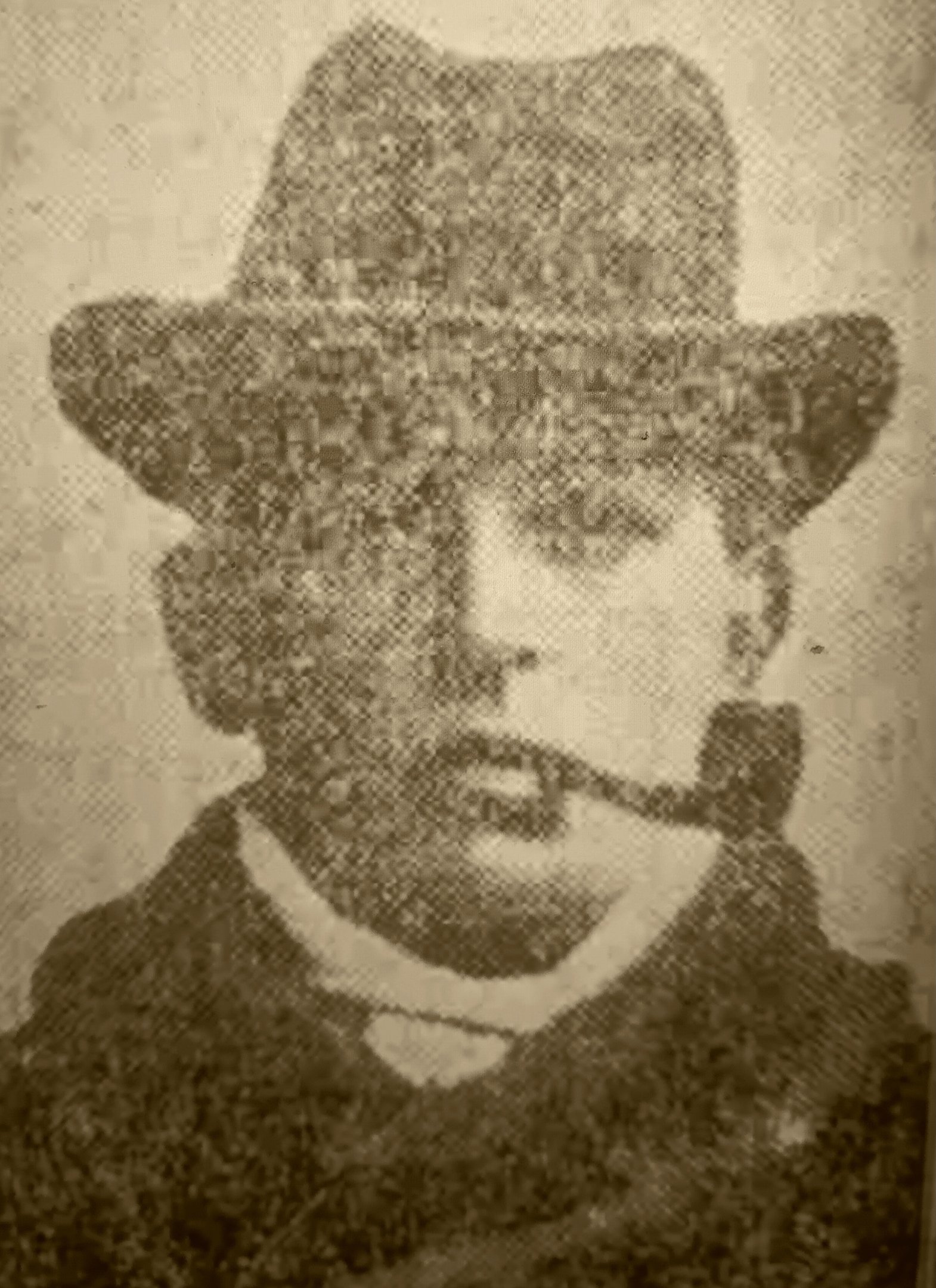
A Basic Timeline : Life and Career
1864
Born Fred Shaw on July15th in Hendon, County Durham, to Scottish-Irish parents: William and Isabella Shaw. He has four older siblings.
Early 1880s
Works on the Sunderland docks, then for the Central Telegraph Office as a telegraph messenger circa 1881, followed by employment in the office of the Theatre Royal, Sunderland.
Mid to late 1880s
Transitions from office work to the stage and adopts the professional name Mark Sheridan. Legitimate theatre actor in Rollo Balmain’s London Company. Parts in dramas such as Hazel Kirke, Falka and Ready Money. Pantomime comedian for Andrew Mellville at The Grand, Derby for two seasons, circa 1886. Marries Ethel Maude Davenport in Wandsworth, London in March 1889.
1890
Birth of first child, Jack. First tour of South Africa in a double act called The Sheridans.They are employed by Harry Rickards and Luscombe Searelle. Three SA tours between 1890 and 1893. Mark declares bankruptcy in 1894 due to illness and outstanding agent commissions.
11 March 1895
Makes his London debut as a solo performer at the Royal Standard, Pimlico. Role in Sinbad the Sailor, at Theatre Royal,Glasgow.
1898 Plays the lead role in a tour of the musical comedy Dandy Dan, the LifeGuards Man.
1905
Begins making commercial recordings. He is now a father of five children: Jack, Jaunita,Winifred,William, Frederick.
1909
Achieves nationwide fame with “I Do Like to Be Beside the Seaside,” creating a major music-hall and pantomime craze. The song is written and composed by J.Glover-Kind.
1909–1914
Peak years of popularity as one of Britain’s leading music-hall comedians. Has another immense hit with co-written song: “ Who were you with last night?” Final pantomime in 1912 at Newcastle-upon-Tyne.
1914
At the outbreak of the First World War, scores further hits with patriotic songs including “Belgium Put the Kibosh on the Kaiser.” His rendition of “Here we are again” is dubbed the British Army’s Battle Cry and serves as a popular recruitment song.
1916 Mark Sheridan vs. Harry Day court case.
1917
Writes and composes Gay Paree, a musical revue and burlesque of A Royal Divorce.
14 January 1918
Gay Paree opens at the Coliseum, Glasgow. Sheridan performs twice as Napoleon.
15 January 1918
Mark Sheridan dies in Glasgow, aged 53. His death is ruled a suicide. His body is found in Kelvingrove Park by two civilians.
18 January 1918
Buried at Cathcart Cemetery, Glasgow.
1918
Gay Paree continues touring for several months under the management of his widow.
Contact
info@marksheridan-musichall.com
© 2025-2026. A.K.Allerton. All rights reserved.